



There are only about 200 square miles of vineyard in the world where you can make Champagne. Anywhere else, it has to be called sparkling wine. That tiny chalky region 90 miles east of Paris — and the painstaking method invented there — produces one of the most universally loved drinks on Earth. The question isn't whether to buy Champagne. The question is which one.
The Liquid Collection stocks more than sixteen Champagne houses, from the everyday Moët Imperial to the prestige Cristal and Krug Grande Cuvée. This guide is your shortcut: twelve bottles across three clear price tiers, plus what every term on the label actually means, how to serve it properly, and which bottle suits which occasion.
Every Champagne below is in stock, with current pricing and a direct link.
First — What Actually Is Champagne?
Champagne isn't a style of wine — it's a place. Only sparkling wine produced in the Champagne region of north-east France, using the strictly-regulated méthode champenoise (or méthode traditionnelle), can legally be called Champagne. Everything else — Prosecco, Cava, Crémant, English sparkling, Australian fizz — is sparkling wine but not Champagne, regardless of how good it is.
What makes the method special is the second fermentation in bottle. Still wine is bottled with a little extra sugar and yeast; the yeast eats the sugar and produces carbon dioxide, which has nowhere to go and dissolves into the wine. The bottle then sits on its lees (the spent yeast) for years — at minimum 15 months, often far longer — developing the toasty, brioche, autolytic character that defines Champagne's flavour. It's slow, expensive, and impossible to fake. That's the whole point.
Decoding the Label
Champagne labels look intimidating but are actually quite logical. Here's what every term you'll see actually means.
| Term | What it means |
|---|---|
| Brut | The standard dry style — less than 12g of residual sugar per litre. The default for almost every great Champagne. |
| Extra Brut / Brut Nature | Drier than Brut — less than 6g (Extra Brut) or 3g (Brut Nature / Zero Dosage) per litre. Crisp and food-friendly. |
| Demi-Sec | Noticeably sweet (32–50g/L). Traditionally served with dessert. |
| NV / Non-Vintage | A blend across multiple years — the house's consistent "signature" style. Most everyday Champagne is NV. |
| Vintage | From a single declared year, only made in exceptional harvests. Bolder, more characterful, ages well. |
| Blanc de Blancs | Made from 100% white grapes (Chardonnay). Lighter, more elegant, more mineral. Pairs beautifully with seafood. |
| Blanc de Noirs | Made from 100% black grapes (Pinot Noir and/or Pinot Meunier), pressed gently to keep the wine white. Richer and rounder. |
| Rosé | Made pink either by short skin contact or by blending in a little red wine. Often the most food-friendly and gift-friendly style. |
| Tête de Cuvée | The prestige bottling of a house — its best wine from its best parcels. Examples: Dom Pérignon, Cristal, Krug Grande Cuvée. |
| Grand Cru / Premier Cru | The grapes come from villages officially classified as Grand Cru (17 villages) or Premier Cru (42 villages). A mark of quality. |
The Champagnes you'd open for a birthday, an anniversary dinner, or a Sunday brunch — accessible names, balanced styles, and remarkably good value for genuine Champagne.
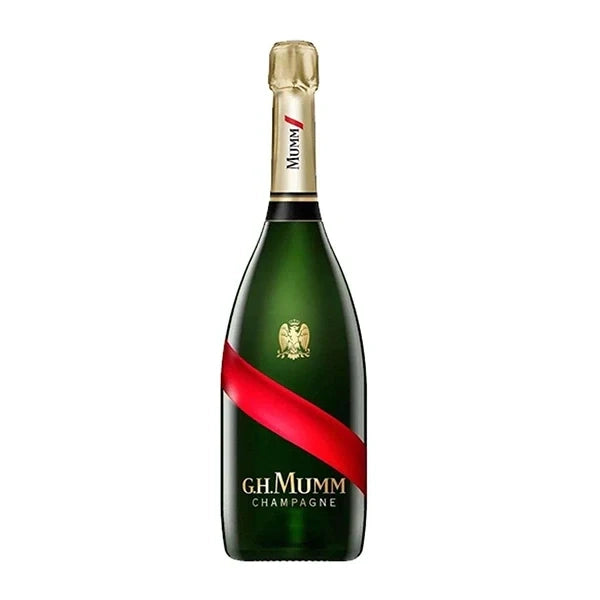
G.H. Mumm Cordon Rouge Brut
$68.00 SGD
The Formula 1 podium Champagne — instantly recognisable by its red sash. Pinot Noir-led, bright and fruity, with toasted brioche notes. The most affordable proper Champagne in the guide, and a brilliant everyday pour for parties and informal celebrations.
Shop Mumm Cordon Rouge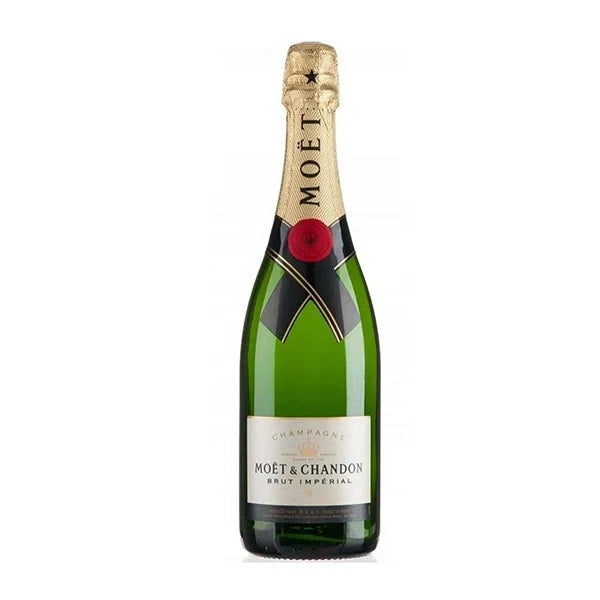
Moët & Chandon Imperial Brut
$70.00 SGD
The world's best-selling Champagne and the most universally recognised bottle in the category. Founded in 1743, Moët's Imperial is a classic blend across all three Champagne grapes — bright pear, citrus, brioche, and a touch of honey. The default celebration Champagne.
Shop Moët Imperial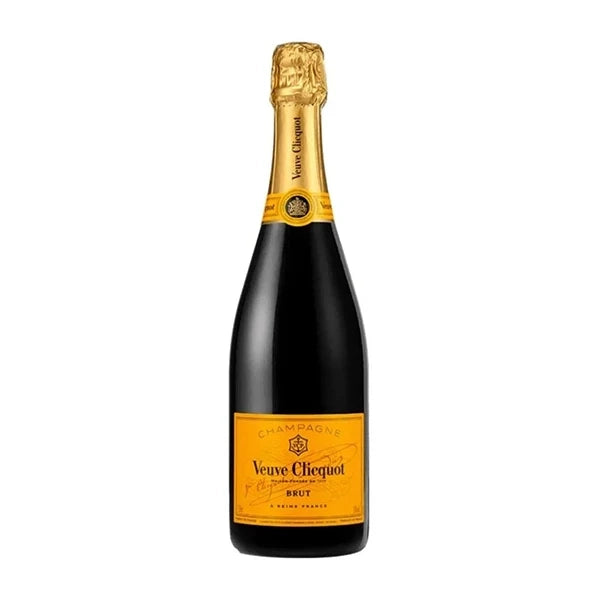
Veuve Clicquot Yellow Label Brut
$78.00 SGD
The unmistakable orange-labelled bottle from the house founded in 1772 — and led for decades by the legendary "Veuve" (widow) Clicquot herself. Bold, structured, Pinot Noir-led, with biscuit, citrus and white peach. Fuller-bodied than Moët, and a true classic.
Shop Veuve Yellow Label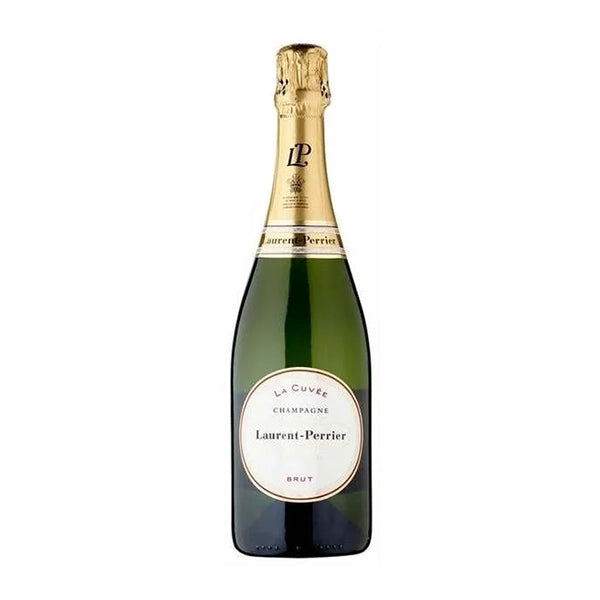
Laurent-Perrier La Cuvée Brut
$86.00 SGD
Chardonnay-led and famously elegant — Laurent-Perrier's house style favours freshness, finesse and minerality over weight. Citrus blossom, white flowers, fresh apple, and a long, clean finish. A more refined choice than the big Pinot-led houses, and a wonderful aperitif.
Shop Laurent-Perrier La CuvéeStep into Champagne with real personality — Ruinart's chalky Blanc de Blancs, distinctive rosés, and bottles where the house style starts to feel deeply expressive.
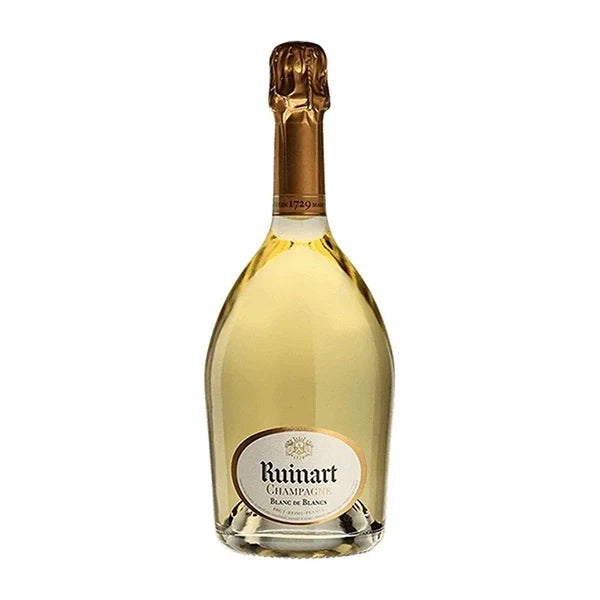
Ruinart Blanc de Blancs
$139.90 SGD
From the oldest Champagne house (founded 1729), and one of the most beloved Blanc de Blancs in the world. 100% Chardonnay from the chalky Côte des Blancs — pure, mineral, citrus-driven, with bright white-flower aromatics. The Champagne sommeliers reach for with seafood.
Shop Ruinart Blanc de Blancs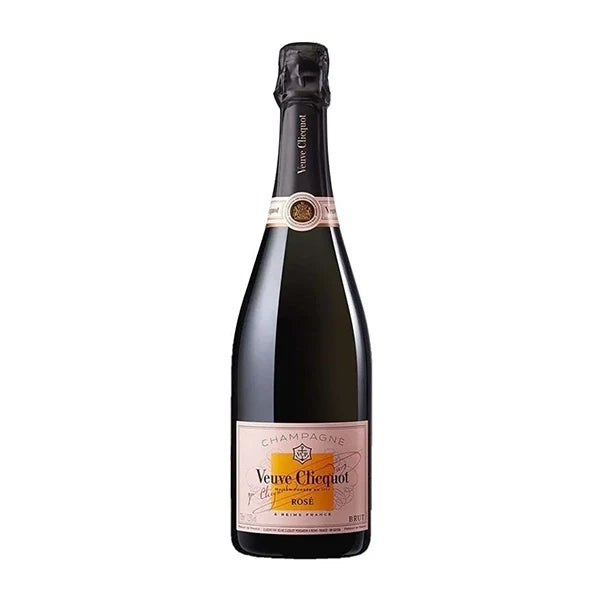
Veuve Clicquot Brut Rosé
$105.00 SGD
A salmon-pink rosé Champagne with the Veuve Clicquot structure and depth. Strawberry, raspberry, biscuit and a touch of orange peel. Madame Clicquot herself pioneered Rosé Champagne in 1818 by adding red wine to the blend — and this is the modern heir to that creation.
Shop Veuve Rosé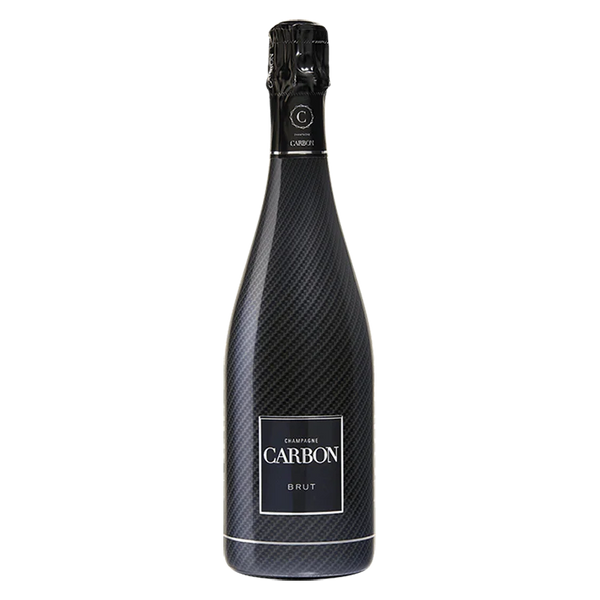
Champagne Carbon Brut
$138.00 SGD
The most distinctive bottle in modern Champagne — wrapped entirely in real woven carbon fibre, made by the De Watère family. Inside, a serious Brut with depth, structure and finesse. A genuine showpiece for events and gifts where the bottle is part of the moment.
Shop Champagne Carbon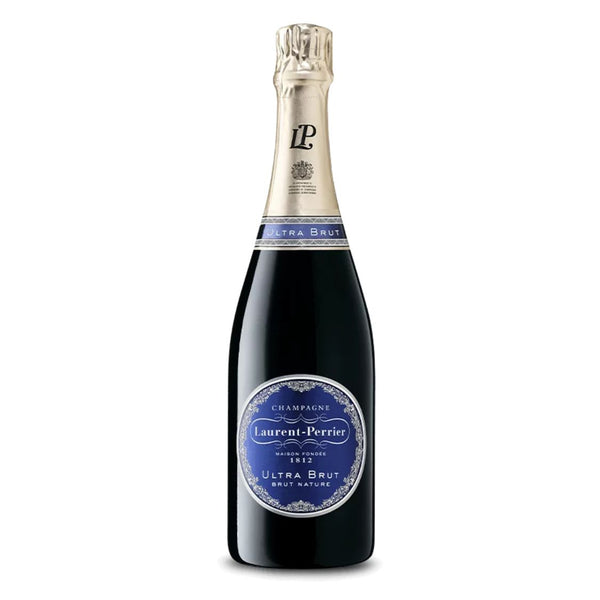
Laurent-Perrier Ultra Brut
$147.00 SGD
A "zero dosage" Champagne — no sugar added at disgorgement, leaving the wine in its purest, driest form. Crystal-clear citrus, green apple, chalky minerality, and a famously precise finish. The Champagne for serious food pairing and palates that prize tension.
Shop Ultra BrutHow To Serve
Five Rules for Pouring Champagne Properly
- Chill it, but not to death. Six to eight degrees Celsius (43–46°F) is ideal. Too cold and you mute the aromatics; too warm and the bubbles go flat. Three to four hours in the fridge, or twenty minutes in an ice bucket half-filled with water and ice.
- Use a tulip glass, not a flute. The narrow Champagne flute traps aroma. A wider tulip glass (or even a small white wine glass) lets the wine breathe — you'll taste twice as much.
- Open it gently — no fireworks. Hold the cork firmly and turn the bottle (not the cork) until the cork eases out with a soft hiss. A loud pop means you've lost gas and aroma. Save the flying corks for Formula 1.
- Pour at an angle. Tilt the glass to 45° and pour gently down the side, then straighten as it fills. This preserves the bubbles and creates a smaller, more elegant mousse.
- Don't fill the glass. Stop at about two-thirds — there should be room for the aroma to collect above the wine. That's where the brioche, the citrus, the minerality lives.
The prestige cuvées — each house's finest wine from its finest parcels and longest cellar-ageing. For milestone occasions, serious gifts, and the cellar of anyone who genuinely loves Champagne.
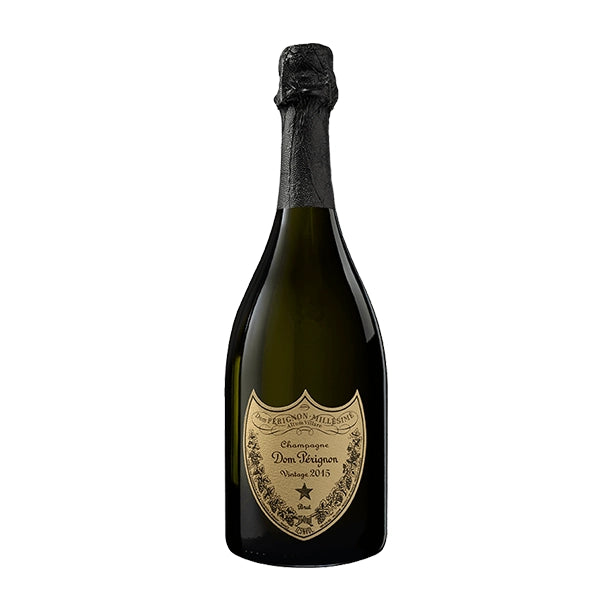
Dom Pérignon Vintage 2015
$268.00 SGD
The world's most famous Champagne — Moët's prestige cuvée, only ever released as a vintage and only in exceptional years. Aged a minimum of seven years on the lees, with extraordinary depth: brioche, toasted almonds, white peach, and a long, layered finish. The benchmark.
Shop Dom Pérignon 2015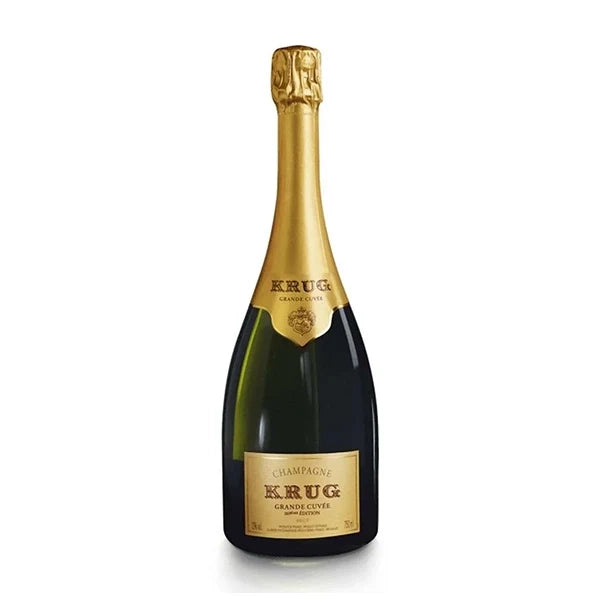
Krug Grande Cuvée Brut
$338.00 SGD
Krug's flagship — a multi-vintage blend of more than 120 wines from up to 14 different years, each aged in oak barrels. The result is one of the richest, most complex, most generous Champagnes ever made. If Dom Pérignon is precision, Krug is depth. A serious whisky-drinker's Champagne.
Shop Krug Grande Cuvée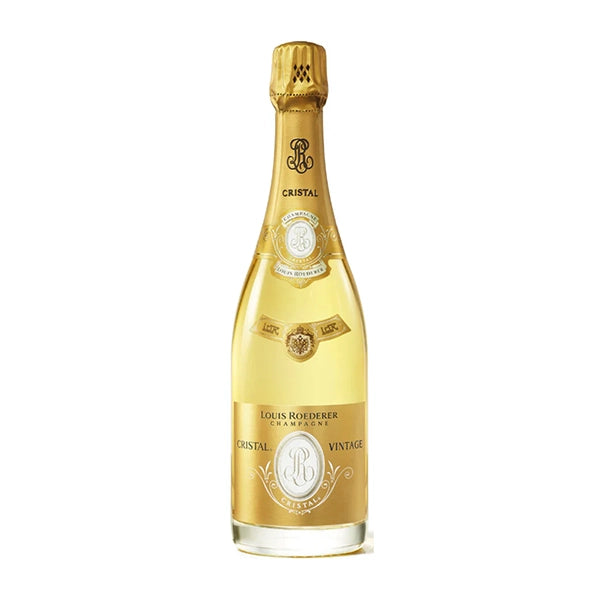
Louis Roederer Cristal 2016
$398.00 SGD
Originally created in 1876 for Tsar Alexander II of Russia — and presented in a distinctive clear flat-bottomed bottle so he could see no bombs lurked at the base. Today, Cristal is one of the most prestigious vintage Champagnes in the world, all-vintage, all-Grand-Cru, exquisitely refined.
Shop Cristal 2016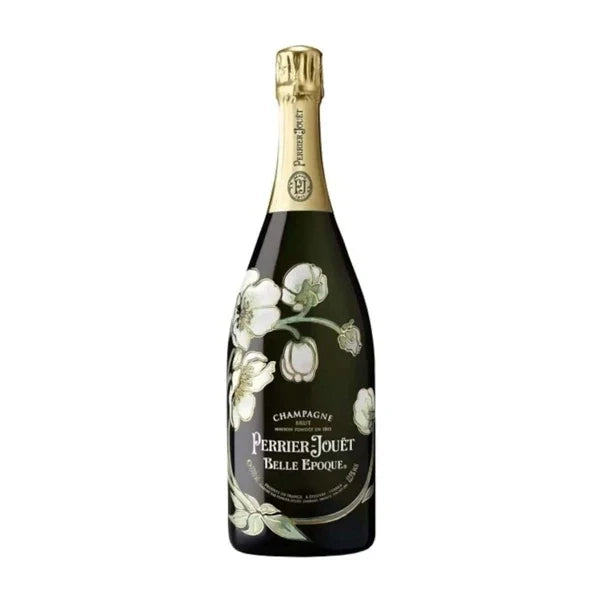
Perrier-Jouët Belle Epoque
$248.00 SGD
Recognised the moment you see it — the iconic white anemone bottle, designed by Art Nouveau master Émile Gallé in 1902. Chardonnay-led, with delicate white flowers, peach, and a brilliantly fine bubble. One of the most beautifully presented prestige cuvées on the market.
Shop Belle EpoqueWhich Champagne Should You Buy?
The shortcut, by occasion.
Birthday, party, or general celebration.
Moët Imperial ($70) or Veuve Clicquot Yellow Label ($78) — the two most universally recognised Champagnes. You can't get either wrong.
Anniversary or romantic dinner — go pink.
Veuve Clicquot Brut Rosé ($105) — beautifully structured with real depth. For a step up, Laurent-Perrier Cuvée Rosé at $166.
Pairing with seafood, sushi, or a tasting menu.
Ruinart Blanc de Blancs ($139.90) — chalky, citrus-driven, and the textbook Champagne for raw oysters, sashimi, and shellfish. Or Laurent-Perrier Ultra Brut for absolute precision.
A serious business gift or wedding gift.
Dom Pérignon Vintage 2015 ($268) carries universal prestige. Krug Grande Cuvée ($338) is the connoisseur's choice. For striking visual presentation, Champagne Carbon ($138) — the carbon-fibre bottle does the work for you.
Milestone — 50th, retirement, golden anniversary.
Cristal 2016 ($398) — the Tsar's Champagne, all Grand Cru, exquisitely refined. Or splurge on a magnum of Perrier-Jouët Belle Epoque 2012 Magnum ($698) — magnums are the ideal Champagne format for ageing and impact.
For the cellar — bottles that will reward keeping.
Vintage Champagne is the answer. Dom Pérignon 2015, Cristal 2016, and Belle Epoque all develop beautifully over 5–15 years in a proper cellar.
Frequently Asked Questions
What's the difference between Champagne and Prosecco?
Two completely different drinks. Champagne is from the Champagne region of France, made using the méthode champenoise (second fermentation in bottle), and aged on lees for at least 15 months. Prosecco is from the Veneto in Italy, typically made by the Charmat method (second fermentation in a pressurised tank), and released much younger. Champagne is generally richer, more complex, and toastier; Prosecco is fresher, fruitier, and far cheaper.
Is Champagne worth the price over good sparkling wine?
For an everyday glass with brunch, perhaps not — a good Crémant or Cava can be excellent value. For a celebration, a serious gift, or a wine that genuinely improves with time, yes. The méthode champenoise, the chalky terroir, and the minimum 15-month lees ageing produce a flavour profile (brioche, toast, complexity) that's very difficult to replicate at lower price points elsewhere.
How long does an unopened bottle of Champagne last?
Non-vintage Champagne is generally at its best within 3–4 years of purchase. Vintage Champagne (Dom Pérignon, Cristal, Belle Epoque) can age beautifully for 10–20 years and develops nutty, honeyed, brioche-laden complexity over time. Store horizontally, in a cool dark place, away from temperature swings.
How long does Champagne last after opening?
About 1–3 days in the fridge, sealed with a proper Champagne stopper (the metal-spring kind, not the cork). The bubbles will gradually fade, but the wine is still very drinkable. After day 3, it's flat enough to use for cooking or risotto — but you should drink it fresh if you can.
What's the difference between Vintage and Non-Vintage Champagne?
Non-Vintage (NV) Champagne is blended across multiple years to maintain a consistent "house style" — the year-to-year flagship. Vintage Champagne is made from grapes of a single declared year, only produced in exceptional harvests, and aged longer on the lees. Vintage bottles tend to be more characterful, more expressive of the year, and far more ageable. Most "prestige cuvées" (Dom Pérignon, Cristal) are vintage-only.
Should I serve Champagne in a flute or a tulip glass?
A tulip glass — every time. The narrow flute looks elegant but actively suppresses the aromatic complexity of good Champagne, trapping the brioche, citrus and mineral notes you paid for. A wider tulip (or even a small white wine glass) lets the wine breathe and dramatically improves what you taste. Most top sommeliers serve Champagne in tulips for exactly this reason.
Do you deliver Champagne across Singapore?
Yes — The Liquid Collection offers free delivery on all Champagne orders across Singapore with no minimum purchase, typically within 3 working days. We stock more than 16 Champagne houses including Moët, Veuve Clicquot, Krug, Dom Pérignon, Cristal, Perrier-Jouët and Ruinart. For event quantities, wedding orders, or personal recommendations, message us on WhatsApp at +65 9680 5856.
From Brunch to Black-Tie
Every Champagne, for every occasion.
Sixteen houses. Free Singapore delivery. No minimum order. Every bottle authenticated.
Shop All ChampagneLast updated May 2026 · Prices reflect current pricing and may change · Please drink responsibly · Must be 18+ to purchase


